What is Micro-needling good for and how does it work?
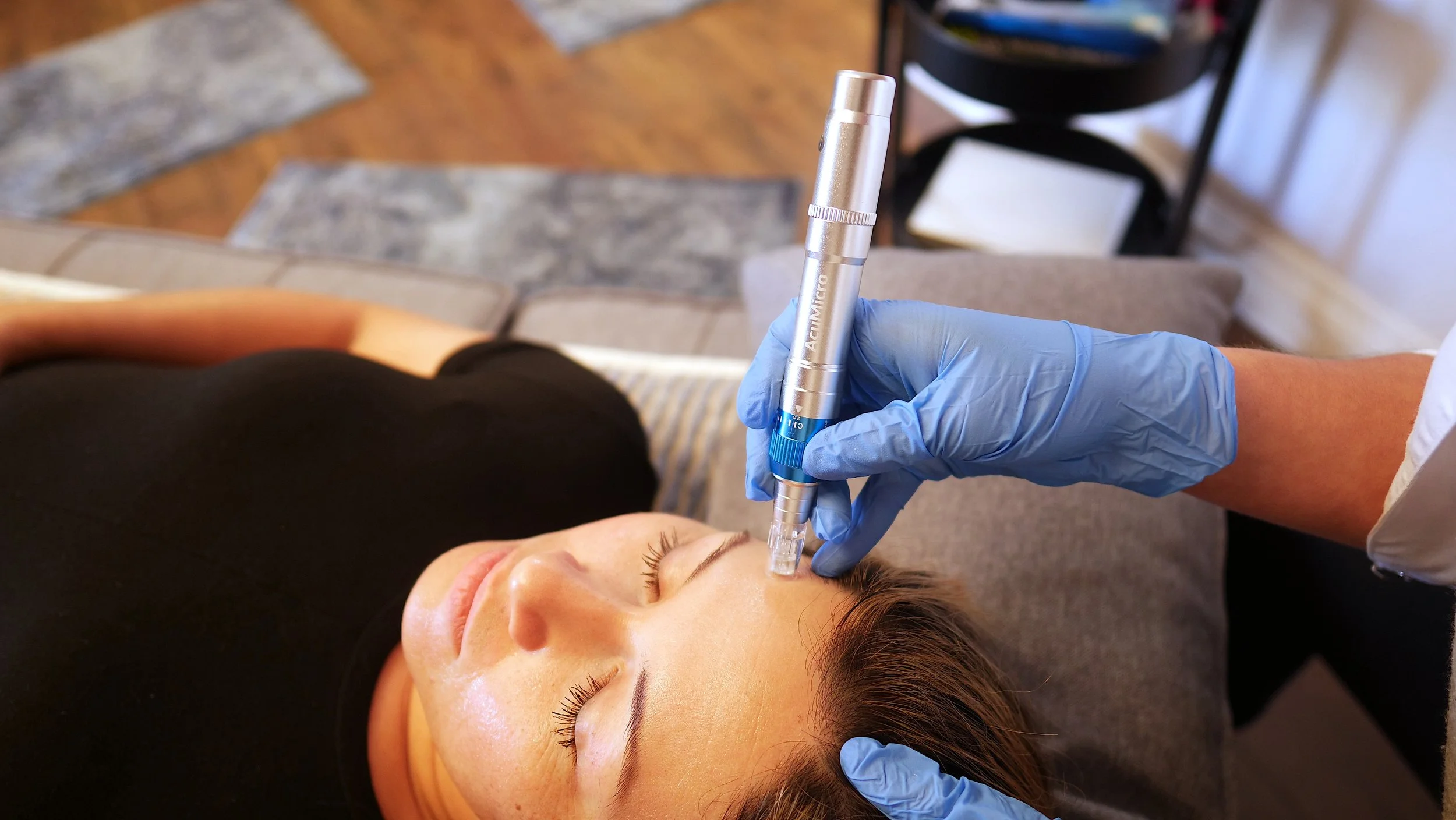
Microneedling: A Modern Take on Traditional Chinese Medicine for Skin Rejuvenation
Microneedling, is a popular skin rejuvenation procedure. It may appear as a modern-day invention, but its roots run deep into the age-old practices of Traditional Chinese Medicine (TCM), particularly, acupuncture. Just as acupuncture stimulates specific points on the body to balance one's qi (pronounced 'chee') or energy flow, microneedling stimulates the skin to boost its healing process, leading to enhanced texture, reduced scars, and increased collagen production. An added advantage of microneedling is the increased absorption of skincare products, enhancing their efficacy significantly. Microneedling rejuvenates the skin by causing controlled injury forcing the skin to repair itself.
At Serene Point Acupuncture & Wellness, we like to add constitutional acupuncture and herbs when appropriate to help the body maintain optimum health and address any root cause affecting your skin’s health.
Why does microneedling work? In a nutshell:
Microneedling, also known as collagen induction therapy, involves the use of tiny needles to create micro-injuries in the skin, reaching into the dermis. The dermis contains fibroblast cells responsible for the production of collagen and elastin, proteins crucial for maintaining skin's structure and elasticity. When we microneedle, we are signaling to the fibroblast to generate collagen and elastin to heal the skin resulting in improved texture, reducing the appearance of scars, and enhancing firmness and elasticity. These microchannels created by the needles also allow for better absorption of skincare products by bypassing the stratum corneum - the outermost layer of the skin - enabling them to reach deeper layers and work more effectively.
Increasing Collagen
As we age, the natural production of collagen in our bodies decreases, leading to signs of aging such as wrinkles and fine lines. Microneedling counters this process by promoting collagen production, which is essential for maintaining skin's elasticity and firmness.
A 2020 study in the Journal of Clinical and Aesthetic Dermatology examined the effects of microneedling on photoaged skin. Results showed a significant increase in collagen and elastin at a microscopic level after microneedling, leading to improved skin firmness and reduced appearance of wrinkles and fine lines.
Improving Skin Texture
The key to understanding microneedling’s impact on skin texture lies in the body's natural healing process. By creating micro injuries on the skin surface, microneedling stimulates the body's response to repair and regenerate skin cells. The subsequent formation of new skin tissue results in a smoother and more refined skin texture.
A 2018 study published in the Journal of Cosmetic Dermatology showed that microneedling significantly improved skin texture, particularly for individuals dealing with acne-related atrophic scarring. Participants reported noticeable improvements in their skin texture after a series of treatment sessions.
Reducing Scars
Scarring is a significant concern for many individuals, particularly those dealing with acne. Luckily, microneedling has demonstrated promising results in this area. The same healing response that enhances skin texture also aids in scar reduction. Microneedling breaks down old tissue and stimulates the synthesis of new collagen and elastin, which leads to the formation of new, healthier skin.
A systematic review in the Journal of Dermatological Surgery in 2019 revealed that microneedling is an effective treatment for acne scars, with a majority of patients experiencing clinically noticeable improvements. Moreover, the procedure showed minimal side effects, affirming its safety profile.
Enhancing Product Absorption
A 2018 study published in the Journal of Dermatological Science reported that microneedling can enhance the absorption of topically applied products. By creating microchannels, microneedling helps overcome one of the significant barriers in skincare - the stratum corneum or the outermost layer of the skin. This layer is designed to keep substances out of the skin, but with microneedling, skincare products can bypass this barrier and work more effectively.
Microneedling is not only an innovative approach in skincare but also a nod to the wisdom of Traditional Chinese Medicine. It effectively improves skin texture, reduces scarring, and boosts collagen production, leading to younger-looking, healthier skin. Always consult a healthcare professional or a certified skin specialist to ensure the treatment's safety and effectiveness.
References:
Hou, A., Cohen, B., Haimovic, A., & Elbuluk, N. (2018). Microneedling: A Comprehensive Review. Dermatologic Surgery, 44(3), 397–409.
Majid, I. (2019). Microneedling Therapy in Atrophic Facial Scars: An Objective Assessment. Journal of Cutaneous and Aesthetic Surgery, 2(1), 26–30.
Pagnoni, A., Knuettel, A., Welzel, J., & Schöpe, J. (2020). Efficacy and safety of a new dermo-cosmetic product containing retinol and vitamin C in photoaged skin. Journal of Clinical and Aesthetic Dermatology, 13(7), 28–34.
Lee, J.C., Daniels, M.A., & Roth, M.Z. (2018). Topical Drug Delivery Enhancement with Microneedling. Journal of Dermatological Science, 92(2), 134-140.